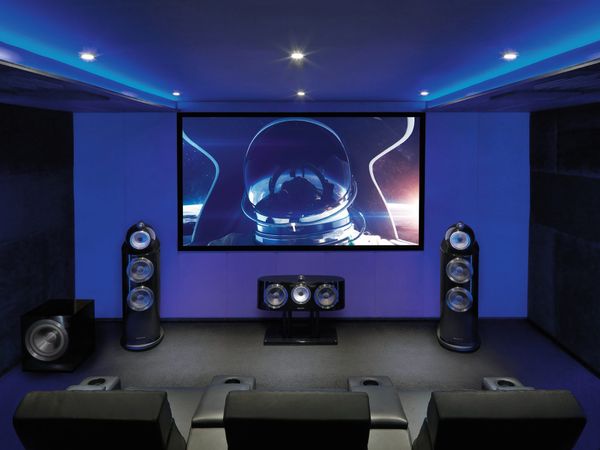
You just mounted a stunning 85-inch 4K television in the living room, hit play on a blockbuster movie, and instantly realize the dialogue sounds muffled while the action sequences feel entirely flat. Relying on built-in television speakers or basic audio solutions strips the life out of your favorite films, leaving you frustrated after investing heavily in visual clarity. Building a custom system around Bowers & Wilkins solves this mismatch between incredible picture quality and poor audio output.
The audio experts at Main Line Sound & Video have already mapped out the best methods for bringing true cinema sound into your living space. This guide walks you through selecting, matching, and placing the perfect audiophile components so you can experience audio exactly as the original sound engineers intended.
Upgrade Your Sound Today
Discover premium audio solutions that bring your favorite movies and music to life.
Explore Bowers & WilkinsKey Takeaways
- Acoustic Engineering: Premium audio relies on advanced materials to deliver crisp, clear sound without distortion.
- Speaker Selection: Matching the right floorstanding or bookshelf speakers to your room size prevents overpowering or underwhelming audio.
- Amplification Needs: High-quality speakers require robust, high-current amplification to reach their full dynamic potential.
- Strategic Placement: Correct positioning and room setup heavily influence the final sound quality of your home theater.
Why True Audiophiles Center Their Setup Around British Engineering
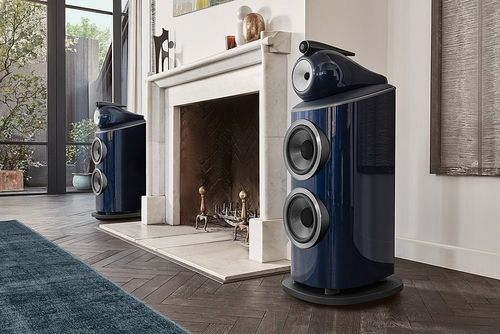
This brand carries a legendary history of acoustic innovation that defines what true high-fidelity audio reproduction should sound like. Their engineers utilize signature elements like diamond dome tweeters and continuum cones to reproduce sound with stunning accuracy. These advanced materials prevent the physical degradation of sound waves as they leave the speaker.
Building an audiophile home theater requires components that do not add their own physical noise to the track. Reducing cabinet resonance is essential for achieving a pure sound profile. Heavy, rigidly braced cabinets stop the physical box from vibrating, letting you hear the recording rather than the speaker itself.
Floorstanding vs Bookshelf Speakers for Your Main Channels
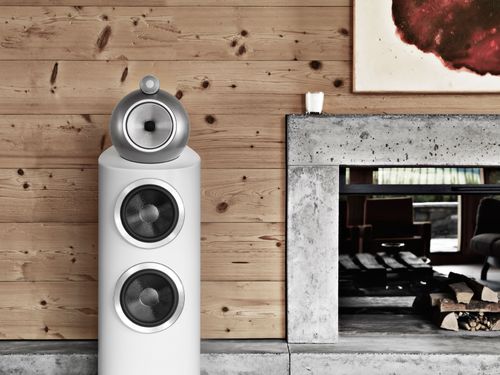
Choosing your primary left and right speakers depends heavily on your room dimensions and personal listening habits. Large, full-range b&w floorstanding speakers push massive amounts of air, making them ideal for a dedicated cinematic space where you want to feel deep, impactful bass. They provide a massive soundstage that easily fills expansive living rooms.
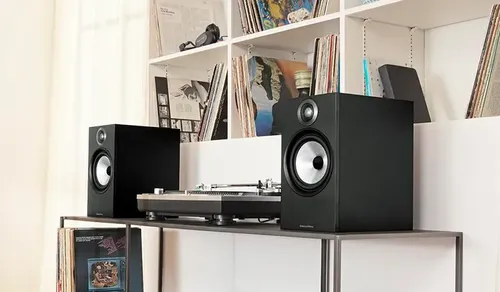
Compact bookshelf monitors offer an incredibly precise alternative for smaller living spaces or dedicated two-channel music listening. Our audio experts know that you must leave at least 18 inches of clearance between rear-ported bookshelf speakers and the back wall to prevent muddy bass buildup. Taking this step prevents low frequencies from bouncing directly back into the listening area.
The Pros and Cons of a Bowers & Wilkins Home Theater System
Entering the high-end audio space requires careful consideration of the value and trade-offs involved in premium equipment. Upgrading to a high-end home audio setup means moving away from disposable electronics and investing in components built to last for decades.
Pros
Vocal Clarity
Advanced tweeter designs reveal hidden details in movie dialogue and vocal tracks that basic speakers miss.
Build Quality
Heavy, resonance-free cabinets provide decades of reliable performance without structural rattle.
Aesthetic Appeal
The refined wood finishes and striking driver designs look like premium furniture in your living room.
Resale Value
Top-tier audiophile equipment holds its value significantly better than entry-level electronics.
Cons
Initial Investment
Purchasing separate high-fidelity components requires a larger upfront budget than an all-in-one box system.
Space Requirements
Properly positioning heavy tower speakers requires dedicating significant floor space in your media room.
Finding the Sweet Spot Between the 600, 700, and 800 Series
Navigating the catalog is easier once you understand the distinct hierarchy of the primary speaker lines. The 600 Anniversary Edition offers accessible entry-level performance, bringing authentic audiophile clarity into an attainable price point for most homeowners. It remains an excellent starting point for building a serious media room.
Moving up to the Bowers & Wilkins 700 series introduces studio-grade technology trickled down from their flagship models. This tier hits the ideal performance-to-value ratio for dedicated enthusiasts. For those seeking uncompromising perfection, the 800 Series Diamond represents the absolute peak of acoustic engineering and reference-level performance.
| Target Audience | Tweeter Technology | Cabinet Design | Price Tier | Ideal Room Size |
|---|---|---|---|---|
| Entry-level audiophiles | Decoupled Double Dome | Standard bracing | Accessible | Small to medium |
| Dedicated enthusiasts | Carbon Dome | Advanced matrix bracing | Premium | Medium to large |
| Uncompromising purists | Diamond Dome | Reverse wrap matrix | Flagship | Large dedicated theaters |
The Vital Role of the Center Speaker in Cinematic Audio
The center channel remains the most critical speaker in any surround sound environment. It handles up to 70 percent of a movie soundtrack, including the vast majority of spoken dialogue and on-screen effects. Skimping on this component results in constantly adjusting the volume to hear actors speaking.
If you decide against a simplified Bowers & Wilkins soundbar, you must timbre-match a premium center channel speaker to your front left and right speakers. Matching the tonal characteristics across the front soundstage creates smooth acoustic panning as objects move across the screen. A mismatched front stage pulls you completely out of the cinematic experience.
Choosing High-Current Amplification to Drive Your System
Premium high-fidelity speakers are highly revealing and require robust power handling to sound their best. Attempting to power massive tower speakers with an entry-level receiver often results in a thin, unimpressive sound profile. You need the best amplifier for b&w speakers to achieve the full dynamic range of your favorite action sequences.
High-current amplification provides the necessary grip on the speaker drivers to start and stop them instantly. Moving to high-end separate pre-processor and power amplifier combinations gives you maximum control over demanding audio tracks. Dedicated power amplifiers deliver clean, continuous wattage without straining during heavy bass hits.
Maximizing Sound Quality Through Strategic Room Placement
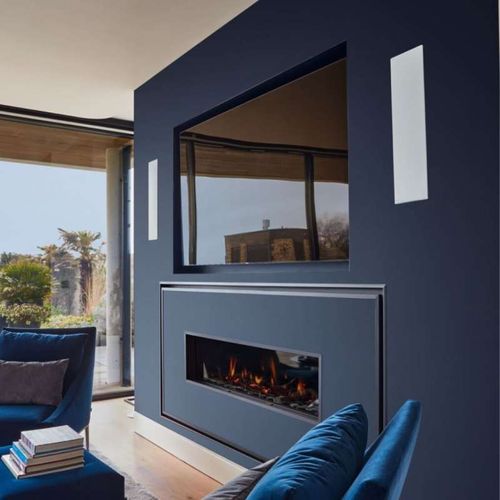
Your physical room acts as the final component in your audio chain and heavily dictates the final output. Even the most expensive Bowers and Wilkins speakers will sound mediocre if shoved into corners or hidden inside media cabinets.
Essential Speaker Placement Steps
- Wall Clearance: Pull your speakers away from the rear and side walls to prevent booming, unnatural bass reflections.
- Toe-In Angle: Angle the front left and right speakers slightly inward so they point directly at the primary listening position.
- The Equilateral Triangle: Position your seating area so the distance between the two front speakers equals the distance to your ears.
- Acoustic Treatments: Add heavy rugs, thick curtains, or acoustic panels to absorb sharp reflections from high-frequency tweeters.
Integrating the Bowers & Wilkins formation suite or a custom home audio installation requires paying attention to these physical room dynamics. Soft surfaces help tame bright echoes, while hard floors and bare walls bounce sound waves chaotically.
Transform Your Listening Room With Bowers & Wilkins Today
Building a breathtaking high-fidelity audio system comes down to selecting quality components, matching your amplification, and perfectly positioning your speakers. When you follow these principles, you create a media space that rivals commercial theaters.
Stop settling for muffled dialogue and flat soundtracks in your home. Visit Main Line Sound & Video today to experience expert showroom guidance, professional installation, and localized customer service that big-box competitors simply cannot match.
Frequently Asked Questions about Bowers & Wilkins
You still need a separate subwoofer to handle the extreme low-frequency effects track found in modern movie mixes. Floorstanding speakers provide excellent mid-bass, but a dedicated subwoofer physically moves the massive amounts of air required for cinematic explosions.
A 5.1 setup uses five ear-level surround speakers and one subwoofer to create a flat, horizontal soundstage. A 7.1.4 Dolby Atmos configuration adds two additional rear speakers and four overhead height channels to create a three-dimensional dome of sound.
You can mix and match different series for your rear surrounds or height channels without ruining the experience. However, your front left, right, and center speakers must come from the exact same series to maintain a unified tonal balance.
Premium high-fidelity speakers generally require between 100 to 200 watts of clean, high-current amplification per channel to perform optimally. Providing adequate power prevents driver distortion and clipping during intense, dynamic musical passages.
Wireless architectural speakers work wonderfully for casual whole-home audio, but dedicated theaters require the zero-latency reliability of hardwired connections. Wired systems provide the uncompressed bandwidth needed to accurately reproduce complex lossless audio formats.
You should position your center channel speaker directly below the television screen, aiming the front tweeters precisely at ear level. If the cabinet sits low to the ground, use acoustic wedges to angle the speaker upward toward the primary seating area.
Why Trust Main Line Sound & Video?
When it comes to designing and installing home entertainment and smart home systems, trust is essential. Main Line Sound & Video has built a reputation for reliability and expertise throughout the Main Line and surrounding areas. As a family-owned business with over 20 years of experience, they prioritize personalized service, ensuring each system is tailored to your home and lifestyle. Their team of certified professionals uses top-quality products and industry best practices, delivering flawless installations and ongoing support. From initial consultation to system optimization, Main Line Sound & Video combines technical expertise with a commitment to customer satisfaction you can depend on.