
Pricing out a home cinema online quickly turns into a frustrating guessing game. One forum claims you can build a solid room for a few thousand dollars, while a custom builder down the street quotes the price of a luxury sedan for a similar equipment list. Without a clear breakdown of labor, room prep, and gear, planning a home theater installation feels like signing a blank check before you even pick out a screen.
You can skip the guesswork because our custom integration specialists at Main Line Sound & Video have already mapped out every dollar of the process for you. Below, we break down real-world project budgets, compare display and surround sound pricing, expose hidden wiring and labor variables, and show you how room acoustics affect your final quote.
Ready to Design Your Custom Home Cinema?
Partner with the local audio and video specialists at Main Line Sound & Video for tailored system design, clean concealed wiring, and precision room calibration.
Key Takeaways
- Project Budget Tiers: Most homeowners spend between $6,000 and $45,000 for a complete setup, though basic living room upgrades start around $2,000 and luxury custom builds exceed $100,000.
- Square Footage and Labor Ratios: Turnkey custom rooms typically run $100 to $250 per square foot, with professional labor, wiring, and calibration accounting for 20% to 35% of the total quote.
- Pre-Wire vs. Retrofit Costs: Running cables inside finished drywall with fireblocks and insulation costs two to three times more in labor than wiring open studs during new construction.
- Acoustic Allocation: Setting aside 10% to 15% of your Dedicated media room budget for acoustic panels and bass traps delivers better dialogue clarity than spending every dollar on electronics.
What You Can Expect to Spend on a Home Cinema Setup

The average home theater installation cost ranges from $6,000 to $45,000 for most residential projects. If you break that down by room size, turnkey system integration typically runs between $100 and $250 per square foot. In a balanced quote, your hardware and seating take up about 65% to 80% of the budget, while design engineering, concealed wiring, mounting, and calibration cover the remaining 20% to 35%.
Because every home and family goal is different, projects generally fall into four realistic budget tiers:
- Basic Media Room Upgrades ($2,000 to $5,000): This entry tier fits a standard living room or den using an 85-inch flat-panel TV, an active Dolby Atmos soundbar with a wireless subwoofer, basic wall mounting, and hidden power cords behind the drywall.
- Mid-Range Living Room Setups ($6,000 to $15,000): You step up to a high-brightness OLED TV or entry-level projection setup, an AV receiver, and a hardwired 5.1 or 7.1 surround sound speaker package with concealed in-wall wiring and a universal remote.
- Dedicated Home Theater Rooms ($18,000 to $45,000): Built for a spare bedroom or finished basement, this tier includes a 4K laser projector, a 120-inch fixed acoustic screen, a 7.1.4 Dolby Atmos architectural speaker system, acoustic wall panels, and motorized theater recliners.
- Luxury Custom Cinemas ($50,000 to $100,000+): These ground-up builds feature commercial-grade projection, separated pre-amplifiers and power amplifiers, soundproofed walls, custom tiered risers, starlight ceilings, and automated lighting control.
Why Identical Equipment Quotes Vary Between Homes

Two homeowners can buy the exact same projector, screen, and speakers yet receive vastly different quotes for what is included in a custom home theater quote. The difference comes down to room geometry, wall access, and structural modifications. A basement with an unfinished drop ceiling allows technicians to pull speaker wire in two hours. Conversely, a first-floor family room sitting on a concrete slab beneath a second-story bedroom requires cutting access holes through solid wood joists and patching drywall, which adds days of labor to the project.
Side-by-Side Comparison of Home Theater Setup Costs
Comparing the core project tiers side by side helps you match your room size and performance goals to a realistic budget.
| Project Tier | Total Estimated Price Range | Ideal Room Size (Sq. Ft.) | Display & Screen Configuration | Audio Architecture | Labor & Wiring Complexity | Acoustic & Seating Features |
|---|---|---|---|---|---|---|
| Basic Media Room | $2,000 to $5,000 | 150 to 250 sq. ft. | 75-inch to 85-inch 4K LED or QLED TV | 3.1 or 5.1.2 Soundbar with wireless sub | Basic TV wall mount and single-wall cord concealment | Existing living room sofa and standard window blinds |
| Mid-Range Surround Setup | $6,000 to $15,000 | 250 to 350 sq. ft. | 83-inch OLED TV or entry 4K projector with 100-inch screen | Hardwired 5.1 or 7.1 bookshelf or in-wall system | Multi-wall wire fishing, AVR rack setup, and remote setup | Blackout curtains, area rug, and sectional seating |
| Dedicated Cinema Room | $18,000 to $45,000 | 350 to 500 sq. ft. | 4K laser projector with 120-inch ALR or acoustic screen | 7.1.4 Dolby Atmos architectural in-wall and ceiling speakers | Full room pre-wire, ceiling mount engineering, and calibration | Acoustic absorption panels, single riser, and 4 to 6 recliners |
| Luxury Custom Build | $50,000 to $100,000+ | 500 to 800+ sq. ft. | Reference 3-chip laser projector with 135-inch+ curved screen | 9.2.4 or 11.4.6 Dolby Atmos with separated amplification | Structural framing, dedicated 20A circuits, and thermal racks | Full room soundproofing, multi-row risers, and custom seating |
Visual Display and Screen Costs: Large-Format TVs vs. 4K Projectors

Choosing your visual centerpiece creates the first major cost swing in any home theater installation. Your room dimensions, ambient light levels, and viewing distance dictate whether a massive flat-panel television or a two-piece projection system makes the most financial sense.
When weighing a 4K laser projector vs OLED TV, you need to compare both the hardware price and the mounting requirements:
- Large-Format OLED and Mini-LED TVs ($800 to $6,000+): Standard 75-inch and 85-inch screens cost between $800 and $3,500, while massive 98-inch to 100-inch flat panels run $3,000 to $6,000 or more. Heavy-duty articulating wall mounts and recessed power kits add $250 to $600 in hardware and labor.
- Ultra Short Throw (UST) Laser Projectors ($1,500 to $6,000): Sitting on a media console just inches from the wall, UST projectors eliminate ceiling wiring but require a specialized tensioned screen to prevent image warping.
- Long-Throw 4K Laser Projectors ($2,500 to $15,000+): Mounted at the back of the room, these projectors deliver true cinema scale from 110 to 150 inches with motorized lens memory for widescreen movies.
Projection Screens and Hidden Mounting Costs

If you choose a projector, the screen itself adds $400 to $2,500+ to your budget. Fixed-frame matte white screens work well in pitch-black basements and sit at the lower end of that price range. Rooms with windows or recessed lighting require an Ambient Light Rejecting (ALR) screen to preserve black levels, while dedicated cinemas often use an acoustically transparent woven screen so the front speakers can hide directly behind the actor's voices.
Long-throw projectors also introduce hidden installation steps that flat-panel TVs avoid. Technicians must calculate exact throw-distance geometry, bolt a precision chief mount into ceiling joists, install a new electrical outlet in the ceiling, and pull a fiber-optic active optical HDMI 2.1 cable up to 50 feet through the walls to handle high-bandwidth video without signal dropouts.
Audio System Architecture and Surround Sound Pricing
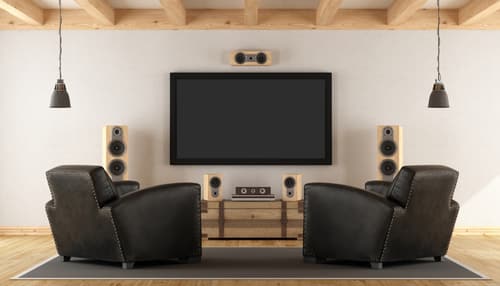
Your audio components and speaker count drive the next major portion of your surround sound installation cost. Moving from a simple television speaker upgrade to a three-dimensional cinema soundstage scales both hardware and labor budgets across three distinct levels:
- Premium Soundbars ($300 to $1,000): All-in-one bars with wireless subwoofers install in under two hours and require minimal wall work, making them ideal for secondary bedrooms or tight budgets.
- Wired 5.1 and 7.1 Surround Systems ($1,500 to $5,000): These systems pair a dedicated AV receiver (AVR) with front left, center, and right speakers, two to four ear-level surround channels, and a powered subwoofer for genuine directional audio.
- 7.1.4 and 9.2.4 Architectural Systems ($5,000 to $15,000+): High-channel setups step up to high-current AVRs or separated pre-amplifiers and multi-channel power amplifiers, dual subwoofers to smooth out room bass modes, and architectural in-wall and in-ceiling speakers.
Why In-Wall Speakers and Dolby Atmos Increase Labor
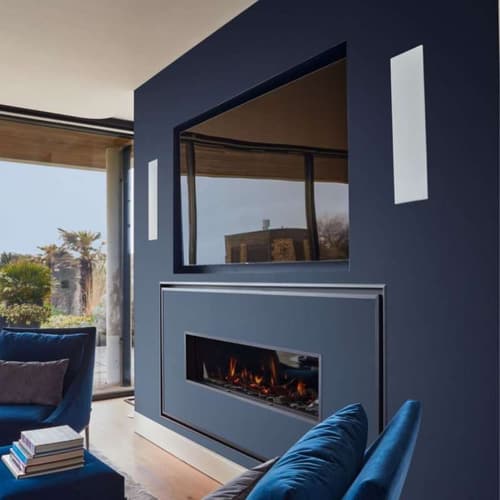
Homeowners often wonder why architectural in-wall and in-ceiling speakers cost noticeably more to install than floorstanding towers or bookshelf speakers. Tower speakers simply sit on the floor and plug into a nearby wall plate. Architectural speakers require technicians to scan walls for plumbing and electrical hazards, laser-level cutouts, saw into drywall, install acoustic back-boxes to stop sound from bleeding into adjacent bedrooms, and fish wires through tight wall cavities.
Planning a Dolby Atmos speaker setup with four overhead height channels multiplies both gear and wiring demands. Moving from a 5.1 system to a 7.1.4 layout means upgrading from a basic 7-channel receiver to an 11-channel processor and amplifier combination. It also increases total speaker wire footage from roughly 100 feet to well over 250 feet snaked across ceiling joists.
The Hidden Infrastructure Costs: Labor Rates, Pre-Wiring, and Permits

When reviewing quotes, the labor line item often surprises first-time buyers. Professional home theater labor rates typically run between $100 and $150+ per hour per technician. While a basic living room media setup takes 1 to 2 days to complete, a full custom cinema build takes 1 to 2 weeks of staged site work.
Beyond hourly labor, reliable home theater wiring and pre-wire requires specialized infrastructure and municipal compliance:
- New-Construction Pre-Wiring vs. Retrofitting: Running CL2 or CL3 fire-rated in-wall cables across open wooden studs during a remodel takes only a few hours. Retrofitting an existing finished room requires specialized flexible drill bits to bore through hidden horizontal fireblocks and fiberglass insulation without tearing down your drywall, which doubles the labor cost.
- Dedicated Electrical Circuits ($700 to $2,000): High-powered subwoofers and multi-channel amplifiers draw heavy current during action scenes, requiring a licensed electrician to run one or two dedicated 20-amp circuits from your breaker panel so your lights never flicker.
- Municipal Building Permits ($150 to $1,000): If your project adds framed walls, tiered seating risers, or new electrical circuits, local townships require building and electrical permits plus formal inspections.
- Equipment Racks and Network Drops ($500 to $2,500): Stacking hot electronics inside a closed wooden cabinet causes thermal shutdowns. We install steel equipment racks with thermostatically controlled cooling fans alongside hardwired Cat6 network drops so 4K movie streams never buffer.
When planning an equipment rack inside a hallway closet, always leave at least 3 inches of clearance above your AV receiver and install a low-voltage exhaust vent at the top of the closet door so trapped heat does not fry your HDMI circuit boards within two years.
Why Professional Calibration Outperforms Raw Hardware
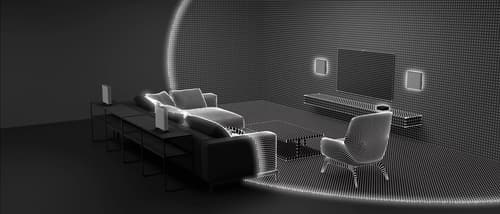
Hardware is only half the equation; how that gear interacts with your room determines what you actually hear and see. A $500 investment in professional AV calibration using room correction software like Dirac Live or Audyssey, paired with ISF video calibration, regularly makes a $10,000 system outperform an uncalibrated $20,000 setup. Technicians measure microphone sweeps across every seat to eliminate muddy bass peaks, time-align speakers to the millisecond, and program smart control systems so a single button press dims the lights, lowers the shades, and launches your movie.
Professional Home Theater Installation Pros and Cons
Deciding whether to hire a certified custom integrator or tackle the project yourself comes down to balancing upfront labor costs against long-term system reliability and visual polish. Here is how professional integration stacks up against a DIY build or hiring a general handyman.
Pros
Concealed Wiring and Clean Aesthetics
Certified technicians fish high-speed cables behind drywall, inside ceiling joists, and beneath baseboards so you never see plastic cord raceways or tangled wires hanging below your screen.
Precision Acoustic and Video Calibration
Professionals use calibrated microphones and light meters to tune speaker crossover frequencies and projector color accuracy specifically for your room dimensions.
Single-Remote Smart Automation
Instead of juggling five different remotes for the projector, receiver, streaming box, and lights, an integrator programs a unified control system that anyone in the family can operate effortlessly.
System Engineering and Warranty Protection
Authorized dealers match amplifier wattage to speaker impedance properly and provide labor warranties that cover troubleshooting if a component ever fails.
Cons
Higher Upfront Project Budget
Professional design, wire fishing, mounting, and calibration add 20% to 35% to your total project cost compared to unboxing and plugging in gear yourself.
Scheduled Lead Times
Custom integration requires an initial site survey, system engineering, and scheduled installation days rather than setting up equipment on the same afternoon you buy it.
Room Acoustics, Theater Seating, and Environmental Upgrades

Putting expensive speakers inside a room with bare drywall, glass windows, and a concrete basement floor guarantees echoey, harsh sound where you have to turn on subtitles just to understand movie dialogue. Hard surfaces bounce sound waves around the room, smearing vocal frequencies before they ever reach your ears. Allocating 10% to 15% of your overall budget toward room acoustics and environmental comfort solves this problem without overspending on electronics.
To turn a standard spare room into an authentic cinema environment, factor these finishing elements into your plan:
- Acoustic Room Treatment ($500 to $3,500+): Your acoustic room treatment cost covers fabric-wrapped fiberglass absorption panels placed at first-reflection points on the side walls, along with corner bass traps that stop low-frequency boominess.
- Structural Soundproofing ($2,000 to $8,000+): Whereas acoustic panels improve how sound behaves inside the room, soundproofing keeps bass from waking up sleeping kids upstairs using decoupled double drywall, Green Glue damping compound, and solid-core doors with perimeter seals.
- Motorized Theater Seating ($500 to $2,500+ per seat): Dedicated leather theater recliners with power headrests and lumbar support keep viewers comfortable during three-hour films. If you want two rows of seating, building a carpeted wood-framed riser platform with LED step lighting adds $1,500 to $4,000.
- Smart Lighting and Motorized Blackout Shades ($150 to $2,000+): Even a tiny sliver of sunlight washes out a projector screen, making motorized blackout shades and smart dimmable sconce zones essential for daytime sports and movie watching.
Ready to Start Your Home Theater Installation Project?
Building a great cinema room comes down to balancing your display and audio hardware with smart concealed wiring and proper room acoustics. Whether you want a clean living room surround setup or a ground-up basement theater, matching the right components to your space ensures every dollar shows up on the screen and in the soundstage.
When you are ready to stop guessing at numbers and build a real plan, schedule an in-home consultation or visit our Main Line Sound & Video showroom to experience these systems firsthand. Our local custom integration specialists handle every detail from custom home theater design and clean wire concealed runs to precision acoustic calibration, giving you personalized service and ongoing local support that big-box retail contractors simply cannot match.
Frequently Asked Questions About Home Theater Installation
A professional home theater installation costs between $6,000 and $45,000 on average for a complete turnkey system including equipment, wiring, and labor. Basic living room TV and soundbar setups start around $2,000, while luxury custom cinema rooms with architectural speakers and acoustic construction exceed $100,000.
Pre-wiring a home theater during new construction is two to three times cheaper in labor than retrofitting an existing finished room. Open wall studs allow technicians to pull speaker and HDMI cables quickly, whereas finished drywall requires drilling through hidden fireblocks and fishing wires around insulation.
Installing a complete Dolby Atmos surround sound system costs between $3,500 and $15,000+ depending on speaker architecture and receiver capacity. Adding four overhead in-ceiling height channels increases both hardware expenses and labor hours because technicians must run over 250 feet of wire through ceiling joists.
You need a building permit and a dedicated 20-amp electrical circuit whenever your home theater project involves framing new walls, building seating risers, or installing high-powered amplifiers and subwoofers. Standard living room setups that plug into existing wall outlets and do not alter the structure of the home do not require municipal permits.
Installing a two-piece 4K projector and screen system costs $800 to $2,500 more in labor and accessories than mounting a large-screen flat-panel TV. Projectors require assembling a fixed screen frame, bolting a precision mount into ceiling joists, adding a ceiling power outlet, and pulling long-run fiber-optic HDMI cables through the walls.
A dedicated custom home theater installation increases overall home resale value and buyer appeal when the wiring, architectural speakers, and lighting controls are permanently integrated into the structure. Appraisers value finished media rooms with concealed infrastructure much higher than rooms filled with freestanding speakers and exposed cables.
Why Trust Main Line Sound & Video?
When it comes to designing and installing home entertainment and smart home systems, trust is essential. Main Line Sound & Video has built a reputation for reliability and expertise throughout the Main Line and surrounding areas. As a family-owned business with over 20 years of experience, they prioritize personalized service, ensuring each system is tailored to your home and lifestyle. Their team of certified professionals uses top-quality products and industry best practices, delivering flawless installations and ongoing support. From initial consultation to system optimization, Main Line Sound & Video combines technical expertise with a commitment to customer satisfaction you can depend on.